
 01
01
CLIMATE TALK
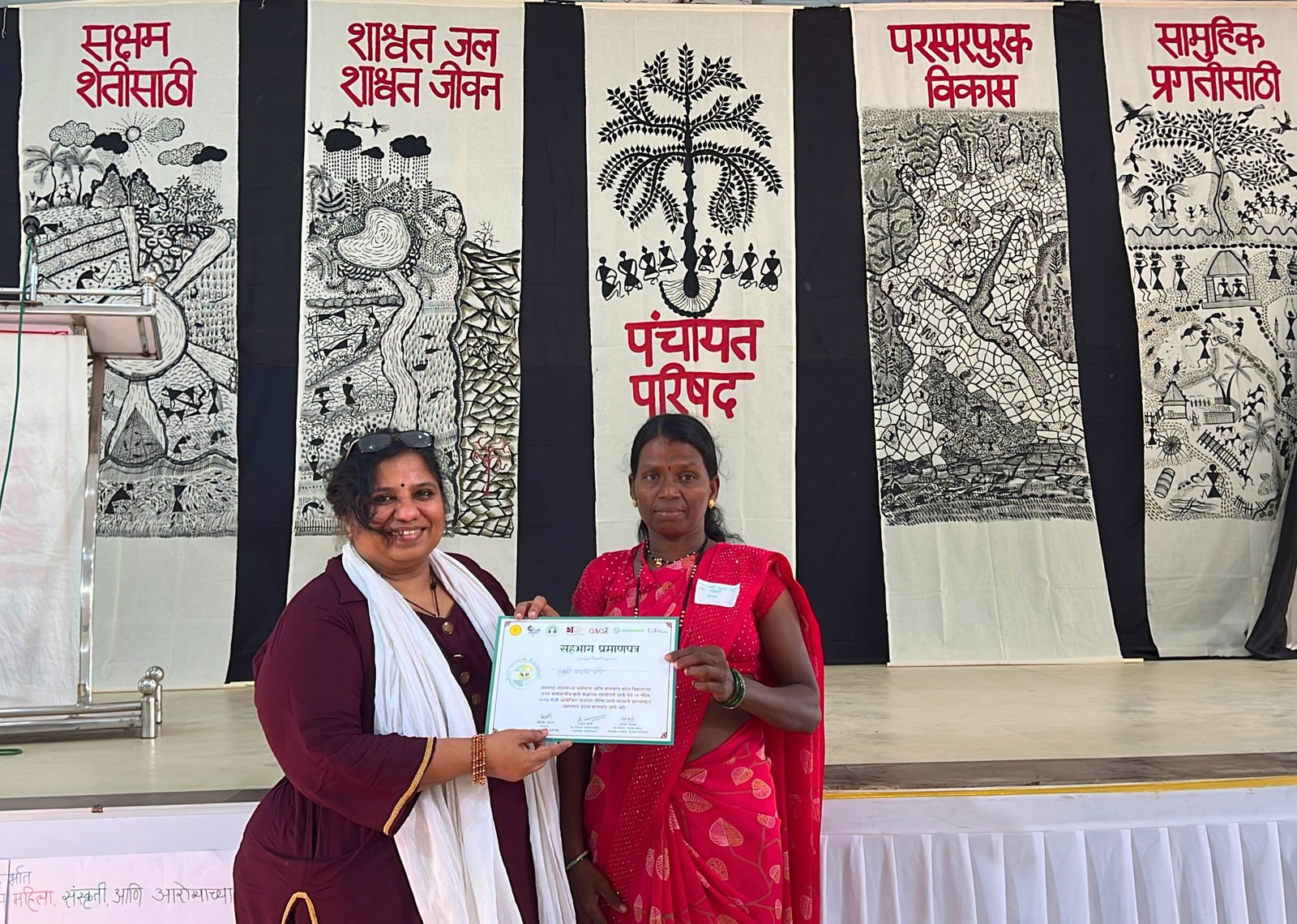
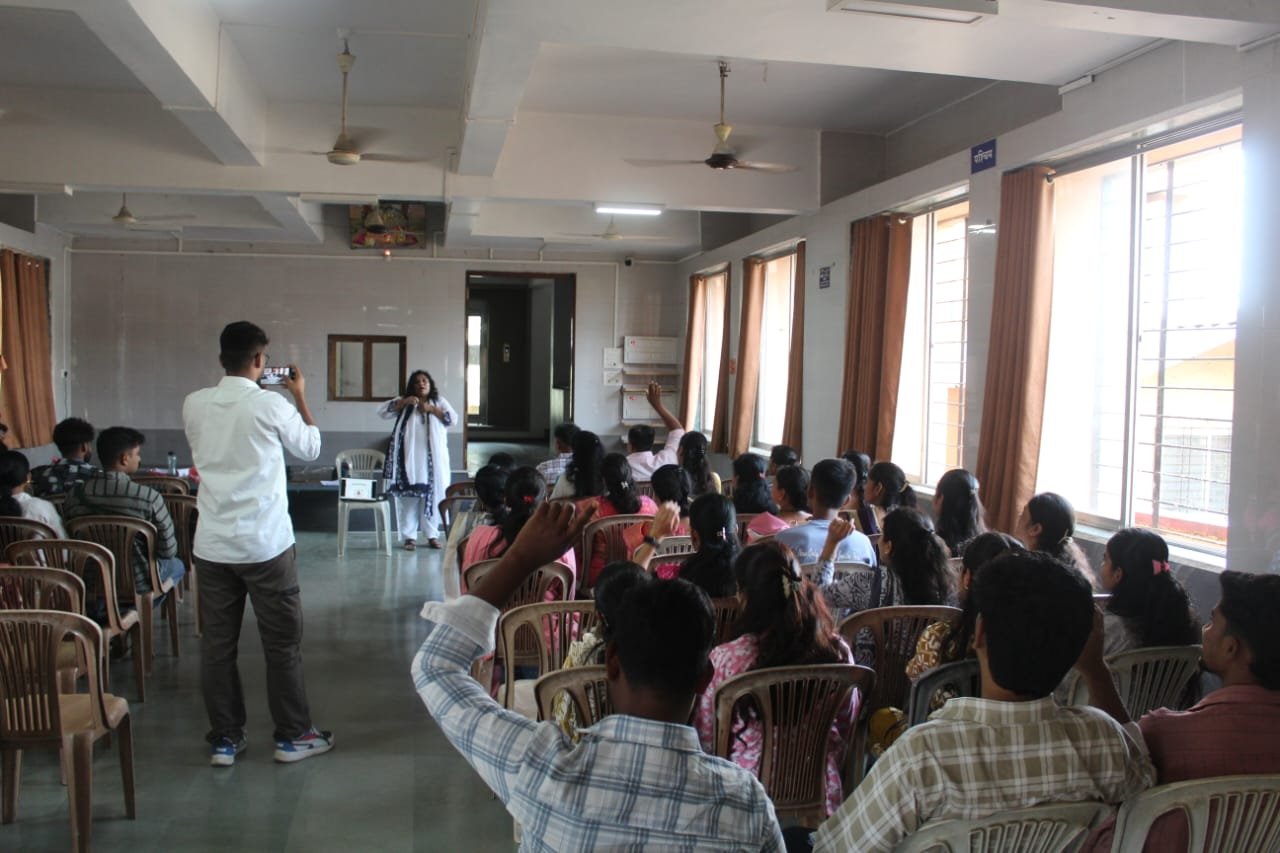
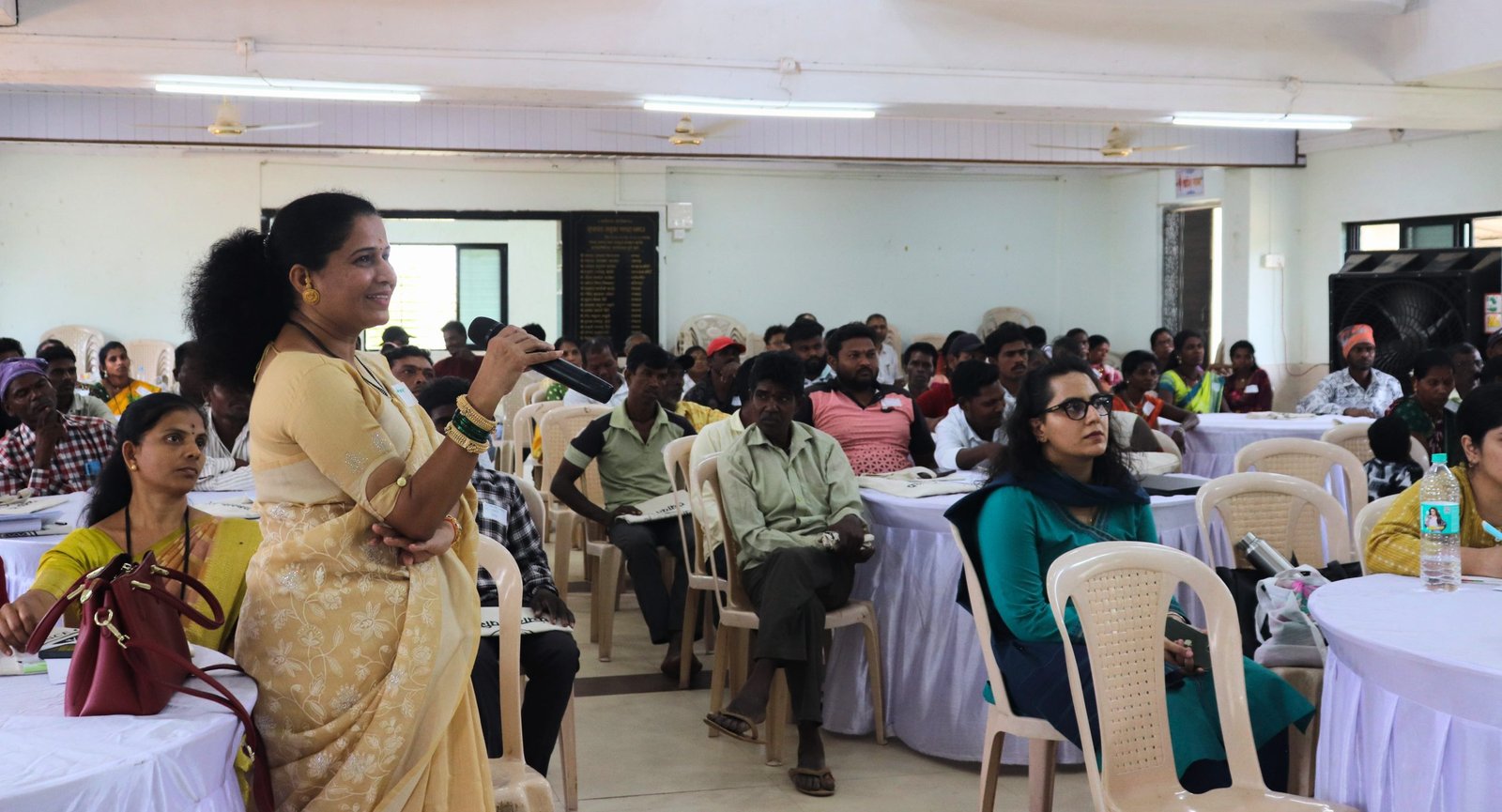
The Gender-Inclusive, Community-Driven Local Climate Action Plan in Raigad is a landmark decolonial initiative being developed in synergy with local government institutions and the State Climate Action Cell (SCAC), Maharashtra.
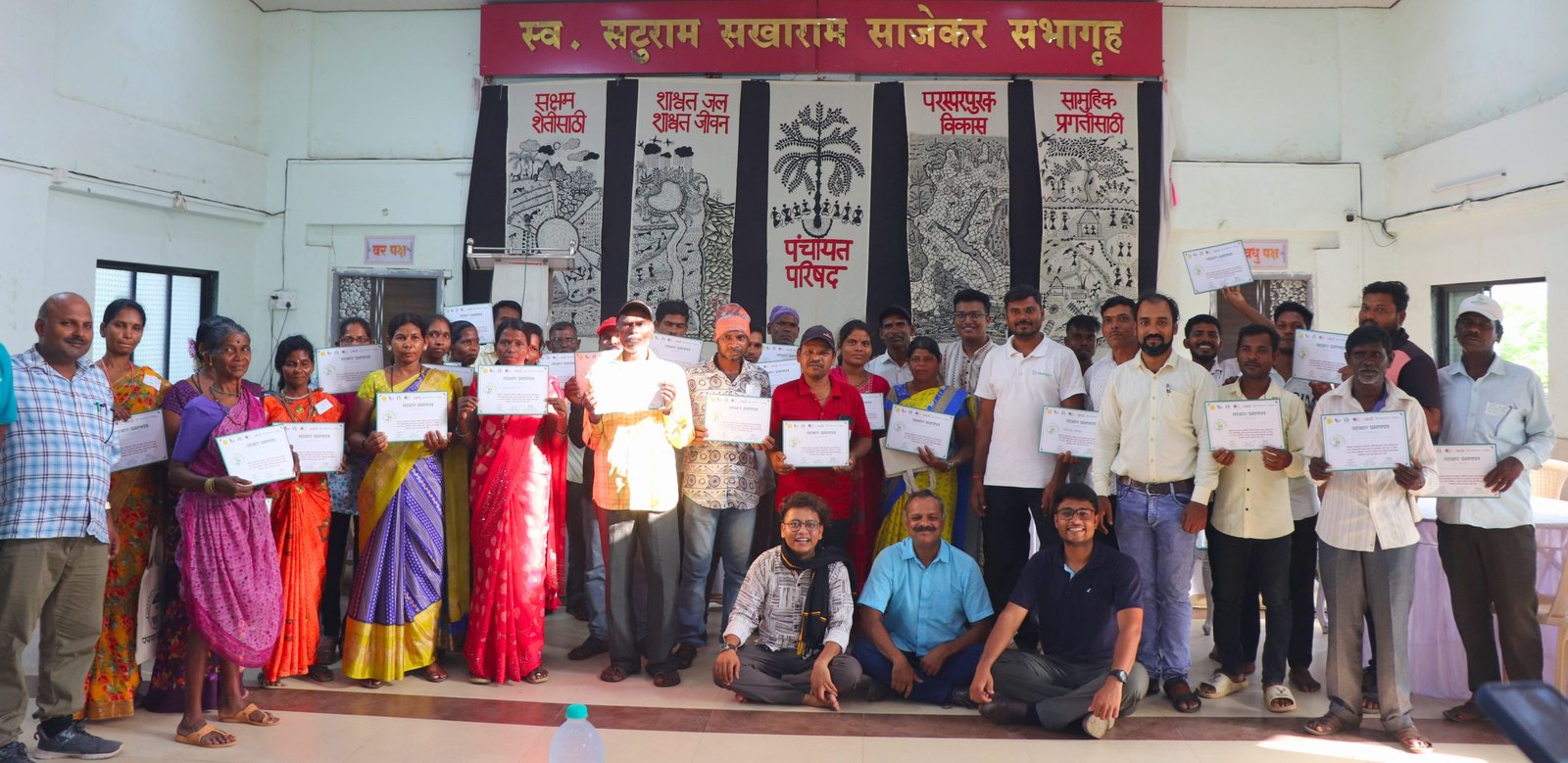
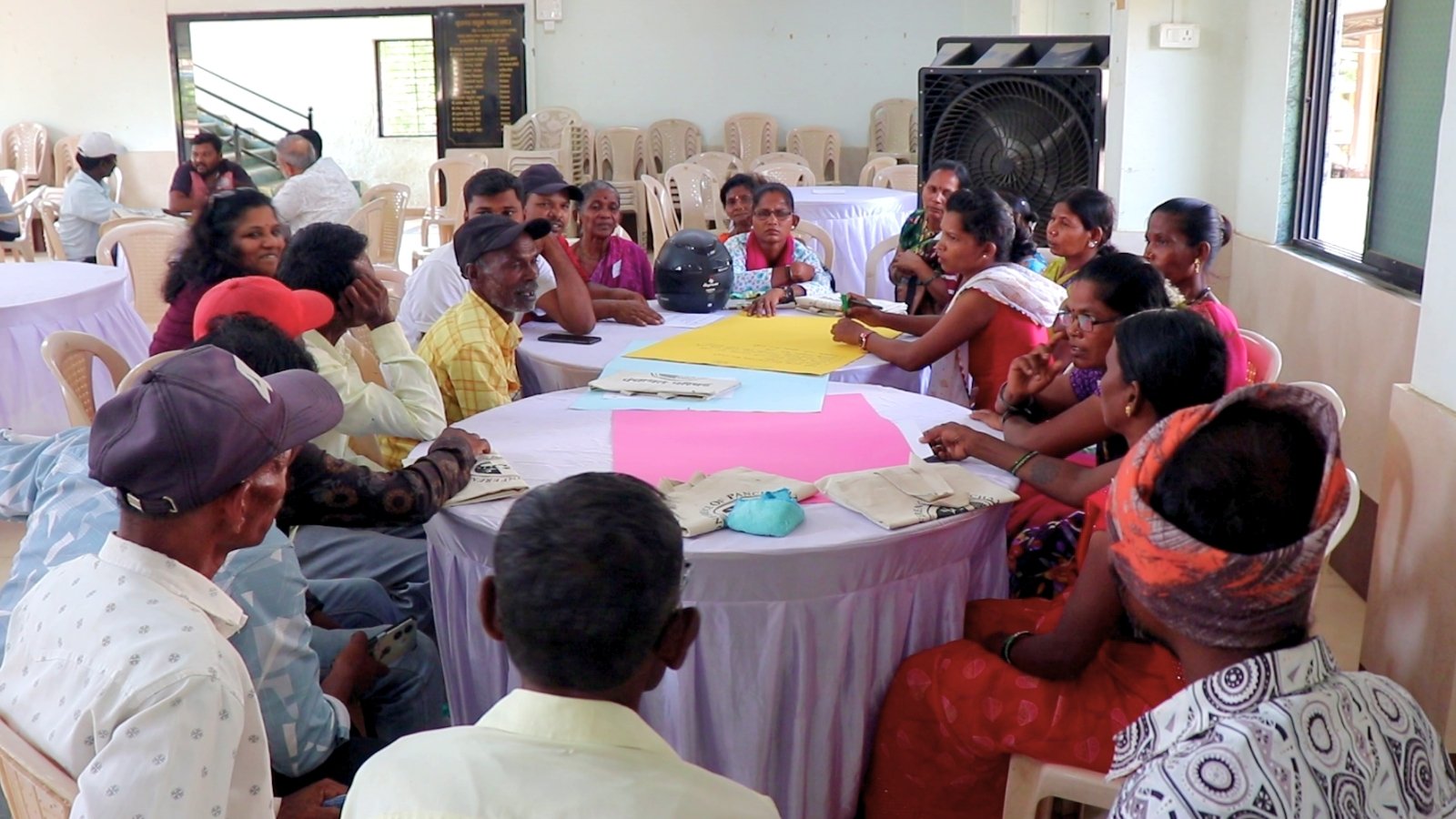
The Raigad Gender-Inclusive, Community-Led District Climate Action Planning Project is a groundbreaking three-year field-based research initiative. The project is spearheaded by the Tata Institute of Social Sciences (TISS), with foundational backing from the University of Toronto India Foundation (UTIF) with Asar, Waatavaran, PDAG, and Baimanus Media as Knowledge Partners .
Read More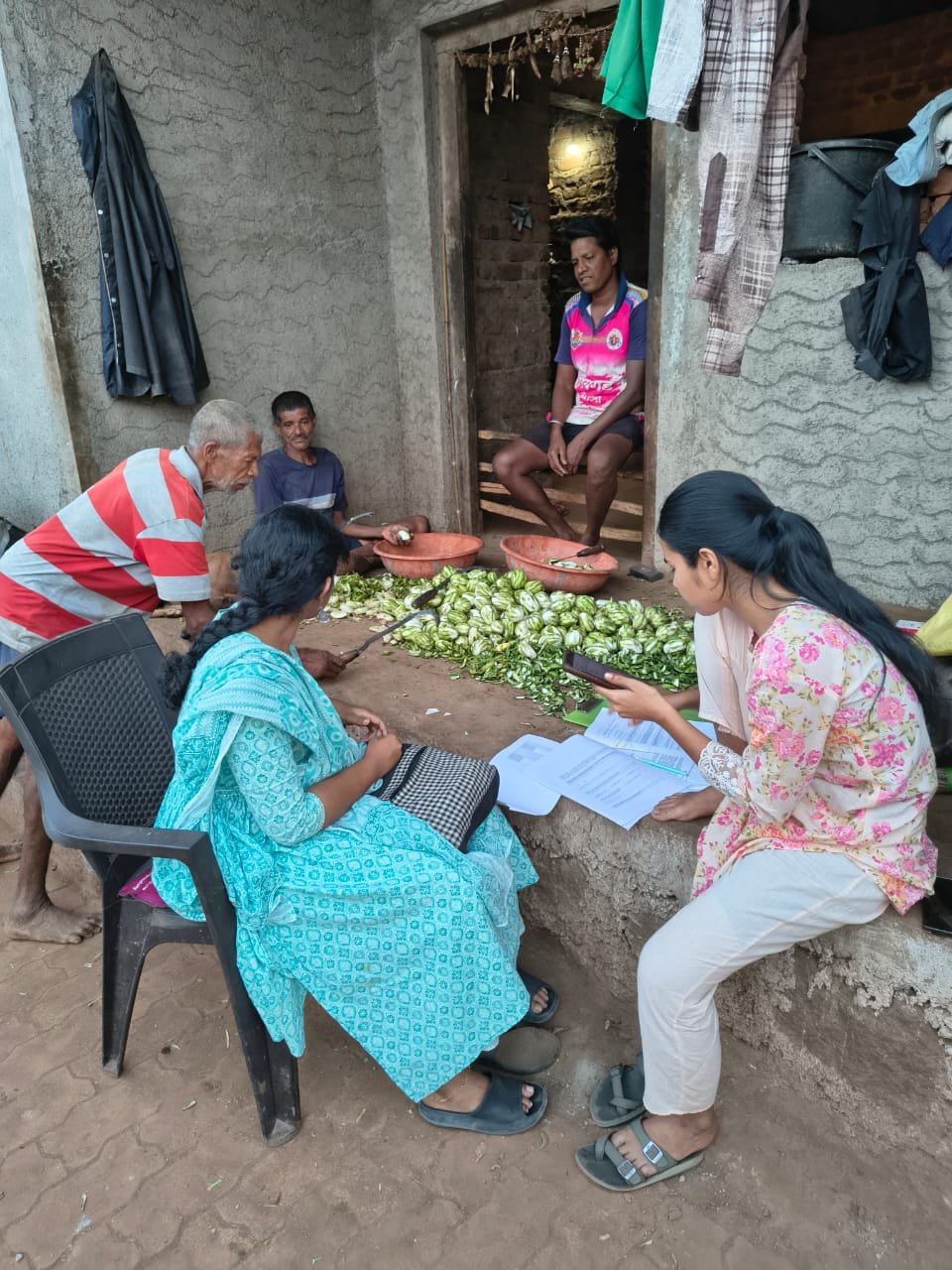
Raigad’s diverse landscapes - tribal managed forests, agrarian belts, and industrializing zones - face severe climate risks, including erratic monsoons, floods, landslides, and acute water scarcity. These environmental stresses intersect with deep-rooted gender, caste, and tribal inequalities, creating distinct and disproportionate vulnerabilities.
Women from tribal and agrarian communities shoulder the heavy, disproportionate burdens of water collection, farming, and unpaid caregiving amid climate degradation
Standard climate planning often misses the specific, intersectional realities of marginalized communities.
We build grassroots models for climate resilience that bridge the gap between policy frameworks and lived realities. Our work ensures that climate planning directly reflects the needs and aspirations of the most affected communities. Our Core Actions:
We build replicable community-driven climate resilient models that balances local knowledge, equity, and justice with cutting-edge scientific insights.
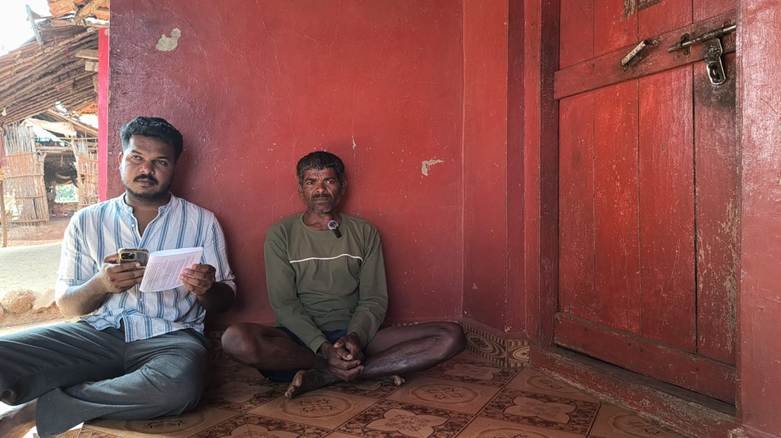
We ensure these community-designed strategies are formally integrated into the official development plans of Local Government Institutions (LGIs).
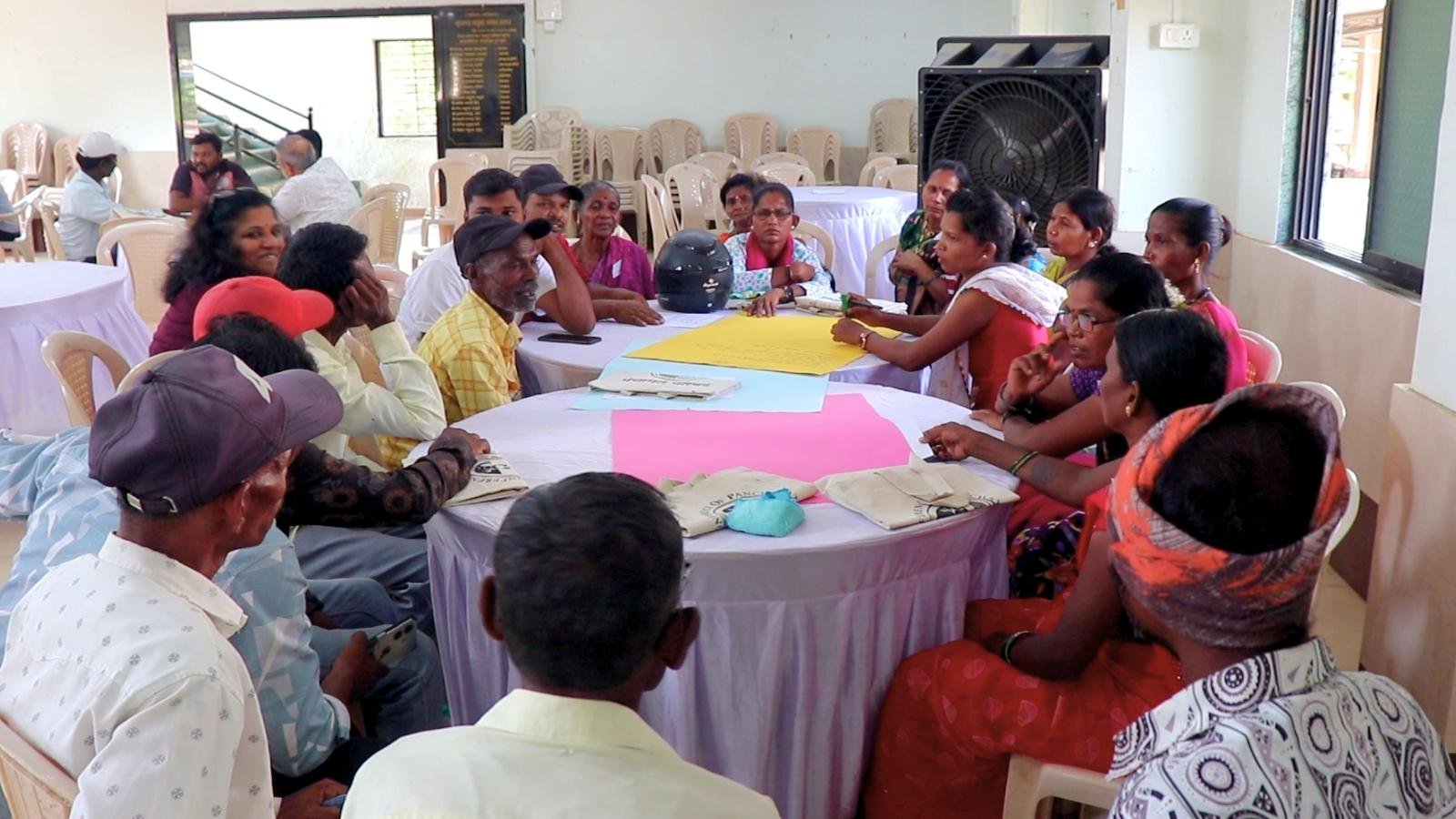
We translate global SDG frameworks into actionable, context-specific targets at the village and panchayat levels.
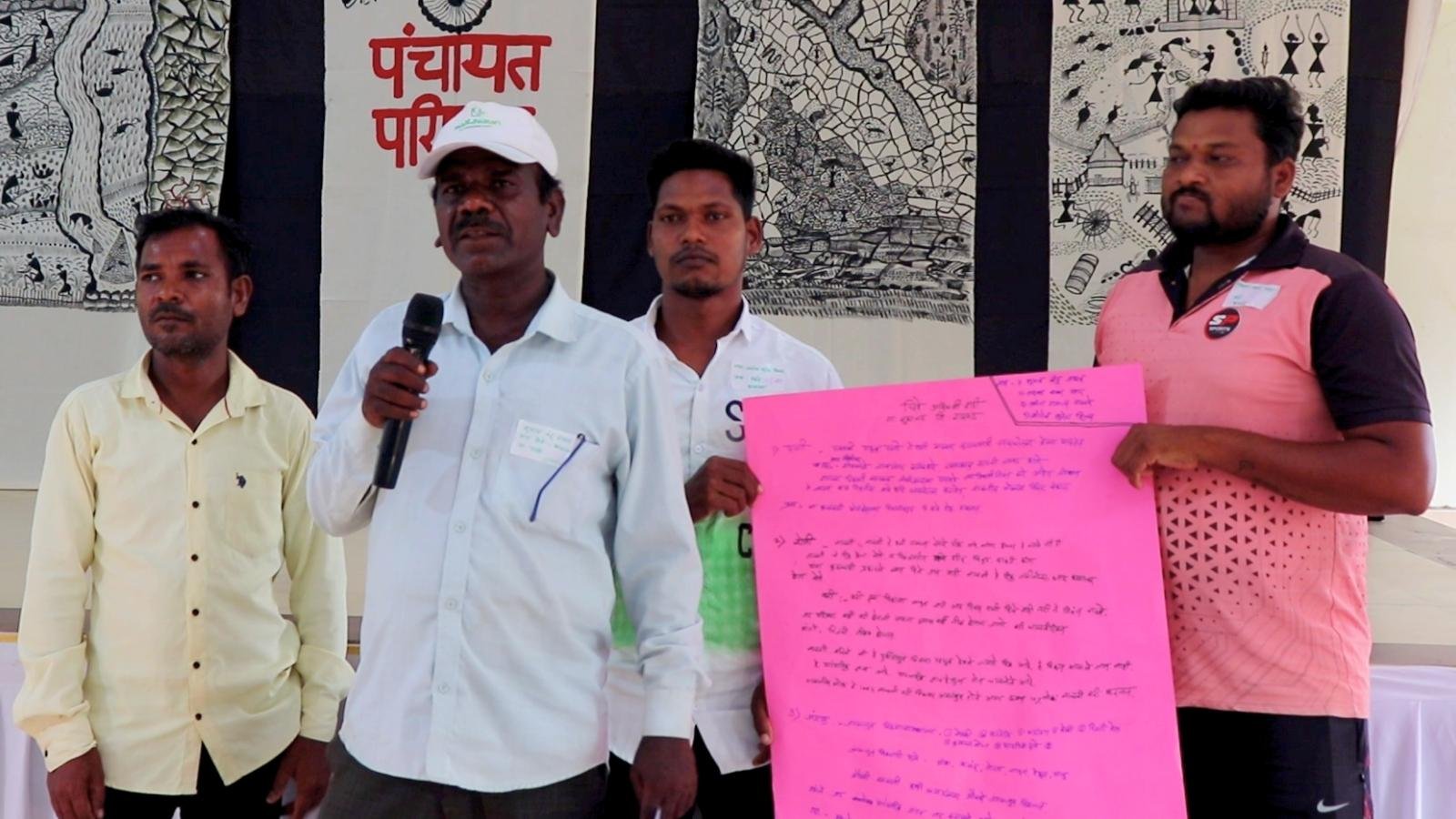
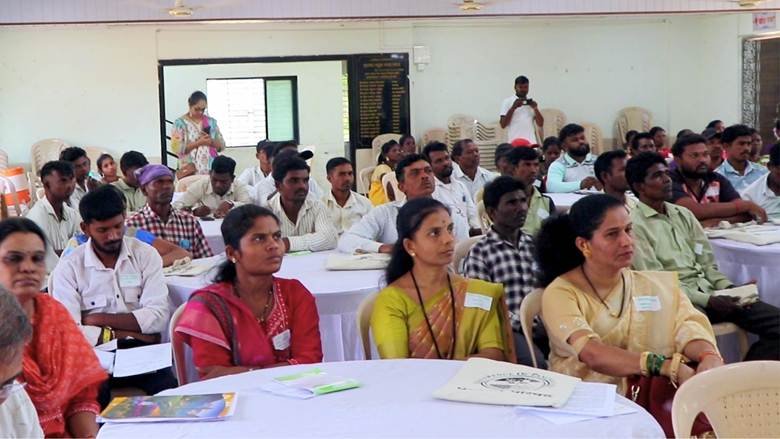
We bring vulnerable communities to the center of climate discourse through innovative platforms, including the Conference of Panchayats, Community Counter-mapping, and Village Development Committees.
Our entire methodology is driven by the DIL principle-an approach that roots climate action in heart (Dil), equity, and justice
We challenge top-down, western-centric climate narratives by shifting the focus to local climate realities, intersectional vulnerabilities, and grassroots leadership.
We validate, honour, and integrate time-tested, traditional conservation and resource-management methods practiced by indigenous and tribal communities.
We strengthen climate planning by treating the lived experiences, survival strategies, and generational wisdom of local communities as essential, expert data.
Through the DIL Framework, Raigad serves as a living, scalable example of inclusive, just, and resilient climate action— woven together through grassroots participation, academic expertise, and cultural expression. By centering local voices and indigenous knowledge, the framework demonstrates how communities can co-create sustainable solutions that are equitable, culturally rooted, and adaptable to future climate challenges.
At the heart of the Conference of Panchayats Raigad (CoP R) lies the philosophy of dilse to DIL. Climate dialogue begins from the dil (heart), drawing its strength from lived emotions, vulnerabilities, and aspirations. This heartfelt approach eventually matures into DIL- a philosophy of Decolonisation, Indigenisation, and Localisation that challenges extractive governance, validates indigenous knowledge, and reframes global goals through local realities. Dilse to DIL insists that climate action is relational, ethical, and co‑produced, transforming habitat into spaces where climate justice, gender equity, and epistemic justice converge and make resilience not technocratic; but deeply human and humane.
At the heart of our work lies Justice-a principle that transcends boundaries and binds communities in shared responsibility. Climate justice demands equity in facing ecological crises and ensures vulnerable voices are heard. Social justice insists on dismantling hierarchies and fostering inclusivity. Gender justice affirms the agency of women as the custodians of continuity. Ethnic justice safeguards diversity and honours indigenous and marginalised identities. Epistemic justice restores dignity to local knowledge systems and resists erasure and commodification. Together, these strands weave a living philosophy in which justice is not abstract law but an embodied practice, memory, and healing.
Our vision confronts the urgency of climate change not as an isolated crisis but as a lived reality shaping the future. A just transition insists the pathways to sustainability must be equitable and should ensure workers, women, and marginalized communities are not left behind in the shift to green economies. At the core lies community resilience, built through indigenous wisdom, participatory planning, and collective solidarity. Resilience is not mere survival but the capacity to adapt with dignity, justice, and creativity. Together, these principles form a covenant: To reimagine climate action as an ethical transformation rooted in people, memory, and hope.
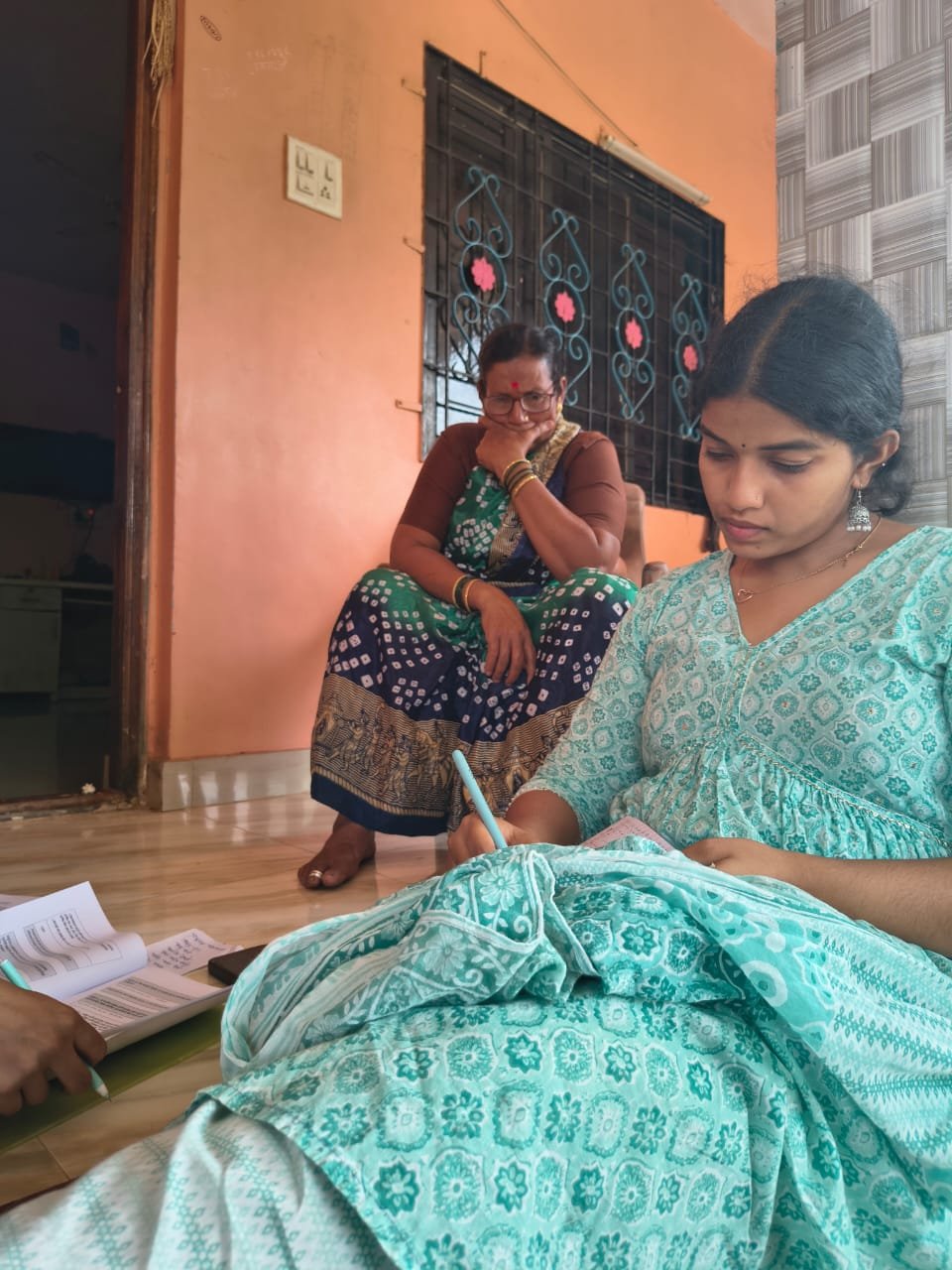
Climate justice, gender justice, social justice, epistemic justice converge
The 5As framework represents the collaborative approach adopted by WIMEN to create resilient communities.
Climate Action
Mobilizers of grassroots struggles and justice
Policy stewards shaping systemic pathways
Thinkers and researchers grounding knowledge and reflection
Creative voices making climate narratives culturally alive
Storytellers carrying local voices to wider publics
Story circles, mapping, theatre, shared reflection.
Routes through ROOTS recovers indigenous practice as a path to resilience. It maps cultural memory, oral tradition, tribal art, ecological wisdom and community participation, learning from practices that kept communities in step with nature while opening routes to new ideas.
Our project introduces a multipronged framework for localised climate resilience
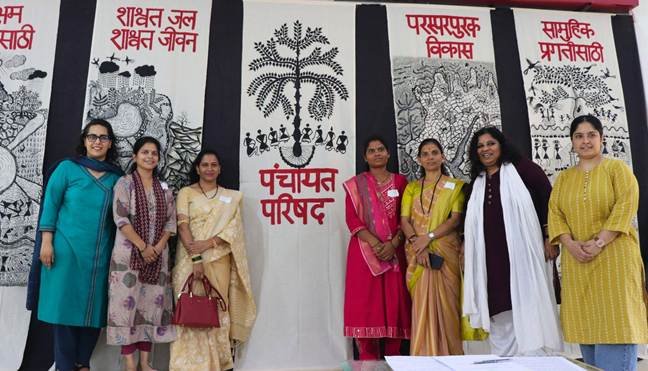
Read MoreConference of Panchayats (CoP) flips the Conference of Parties (CoP) and brings India's Panchayati Raj Institutions into the heart of climate change conversations.
Conference of Panchayats (CoP) flips the Conference of Parties (CoP) of the global climate discourse and brings India's Panchayati Raj Institutions (PRIs) into the heart of climate change conversations.
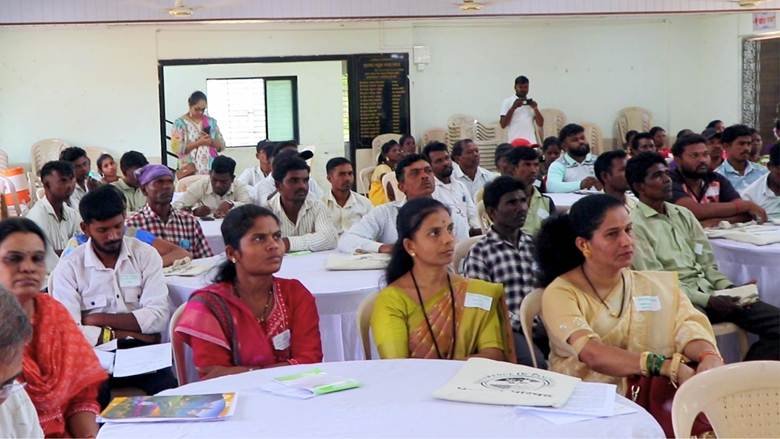
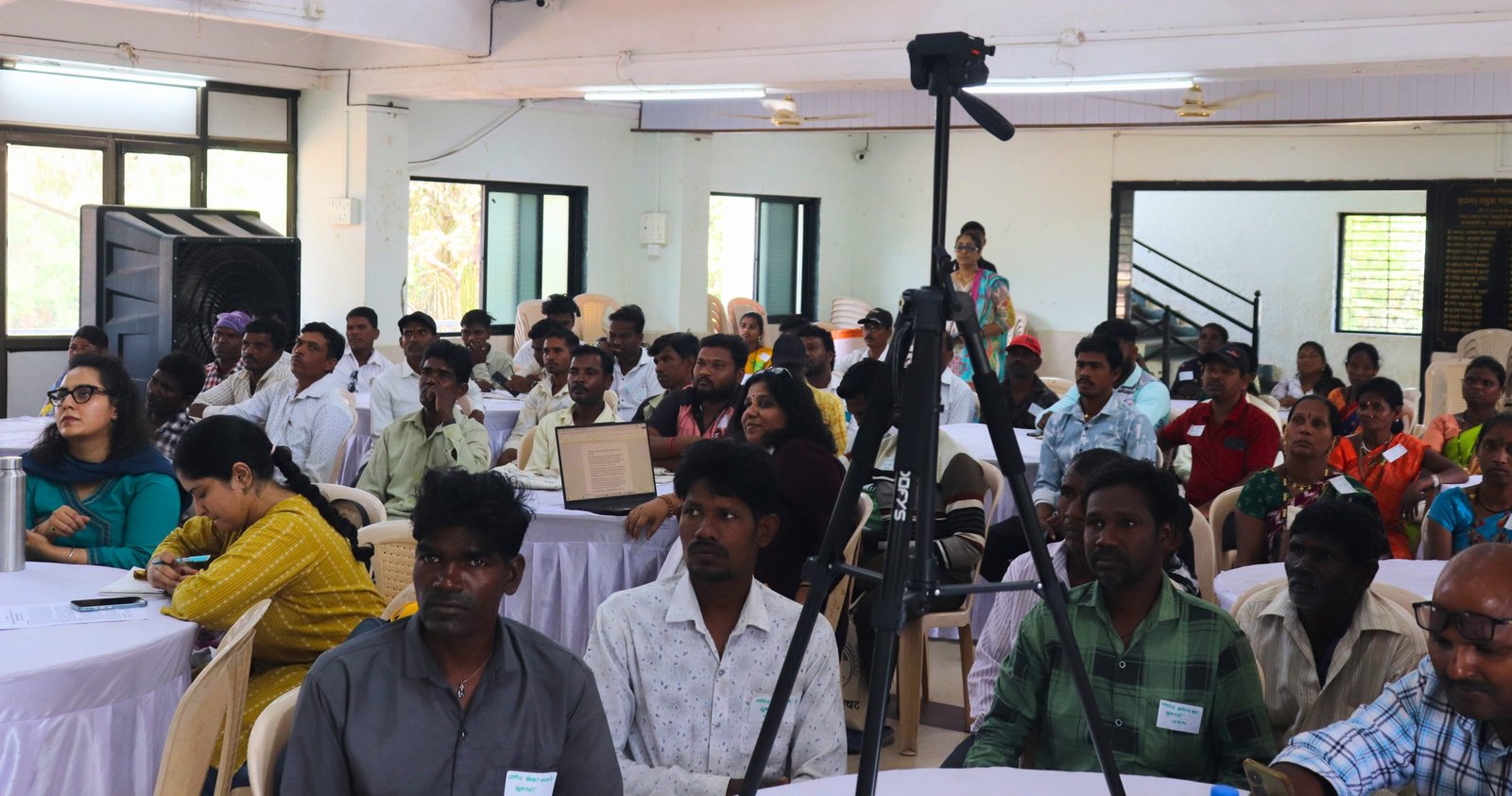
The Conference of Panchayats Raigad (CoPR) is a landmark in participatory climate governance, embedding climate action into local governance structures through deliberative democracy.
Panchayats become co-architects of solutions, documenting indigenous practices and designing replicable climate programs rooted in justice, sustainability, and community participation.
CoPR reframes global goals through local aspirations by embedding SDGs into block-level climate action plans.
Shedashi Gram Panchayat has become a pioneering model for integrating SDGs into climate-sensitive village planning through participatory governance, micro-level planning, and community ownership.
Reframing data through living practices by recognising rituals, art forms, and everyday actions as valuable climate knowledge.
Living practices become legitimate forms of data that reveal community resilience and vulnerability.
This approach moves beyond extractive surveys toward lived narratives, allowing marginalized communities to become knowledge creators rather than research subjects.
Knowledge is lived, data is felt, and resilience is co-authored through everyday experiences.
Reclaiming voice, vision, and resilience through participatory mapping, climate dialogues, and creative community engagement.
These participatory tools democratise knowledge production, build ownership, and ensure climate action is inclusive, imaginative, and community-led.
Discover the participatory tools and community-led approaches that shape climate resilience across Raigad.
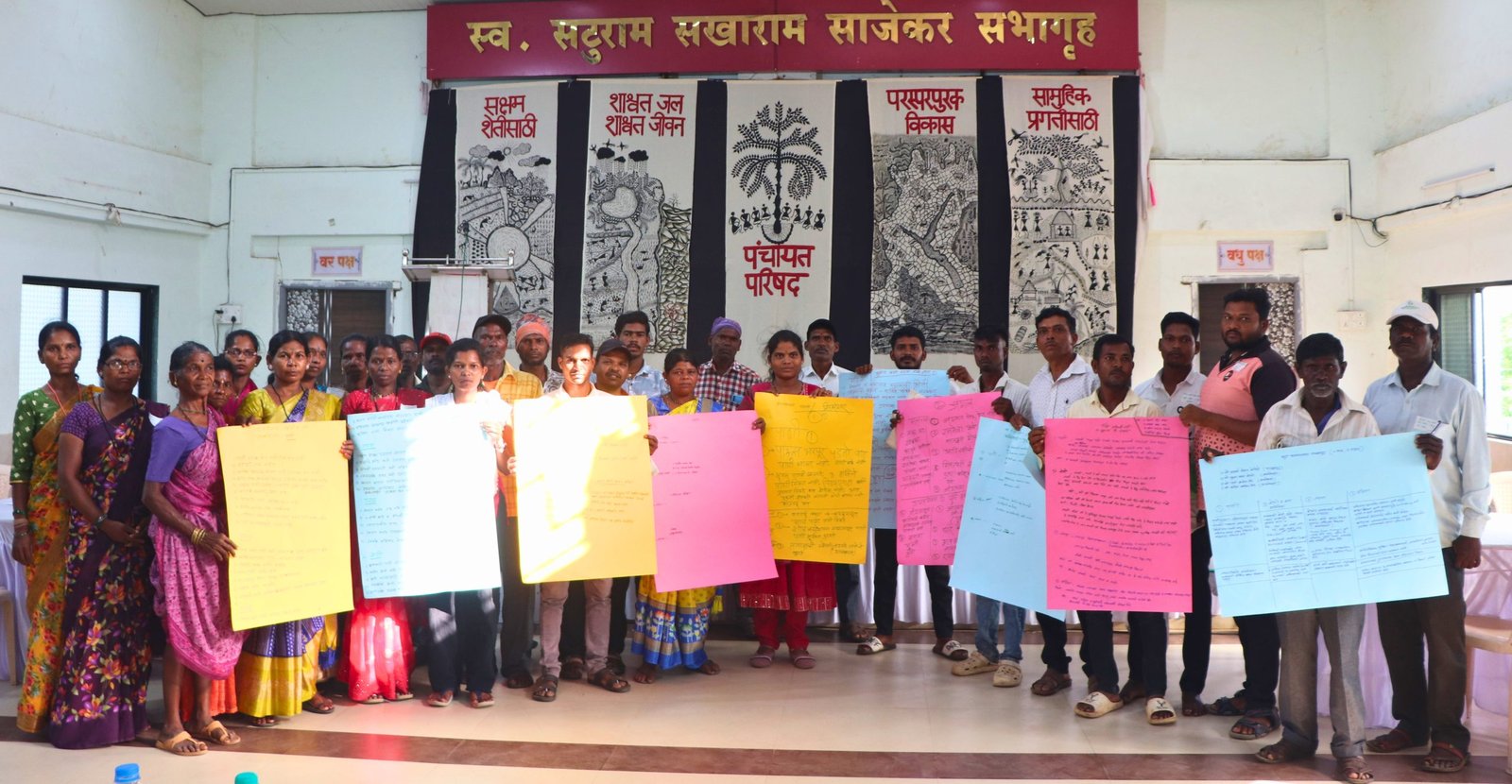
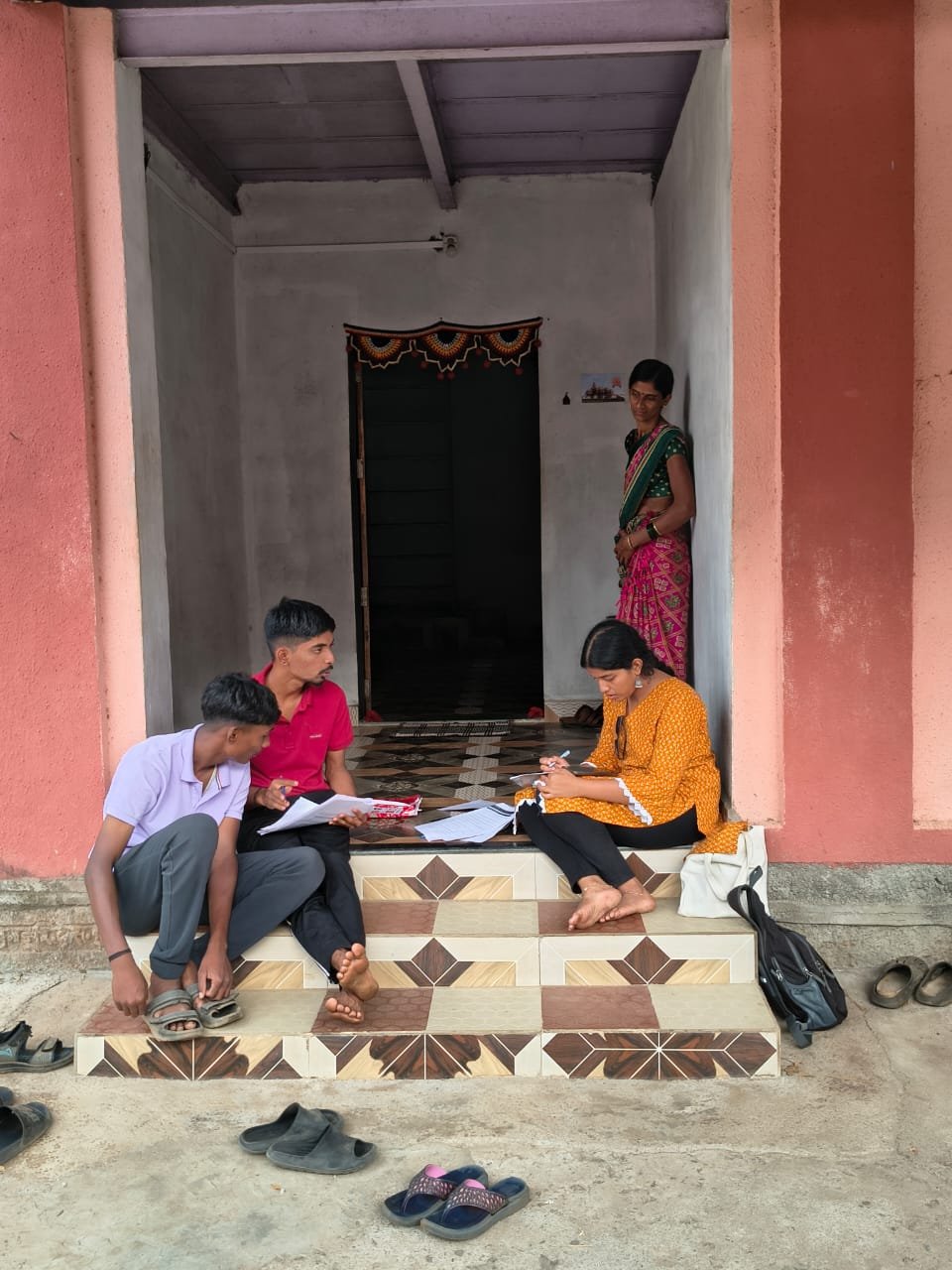
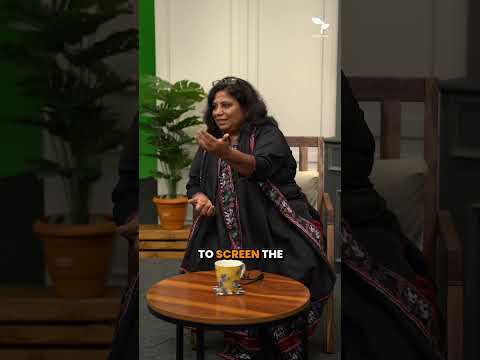
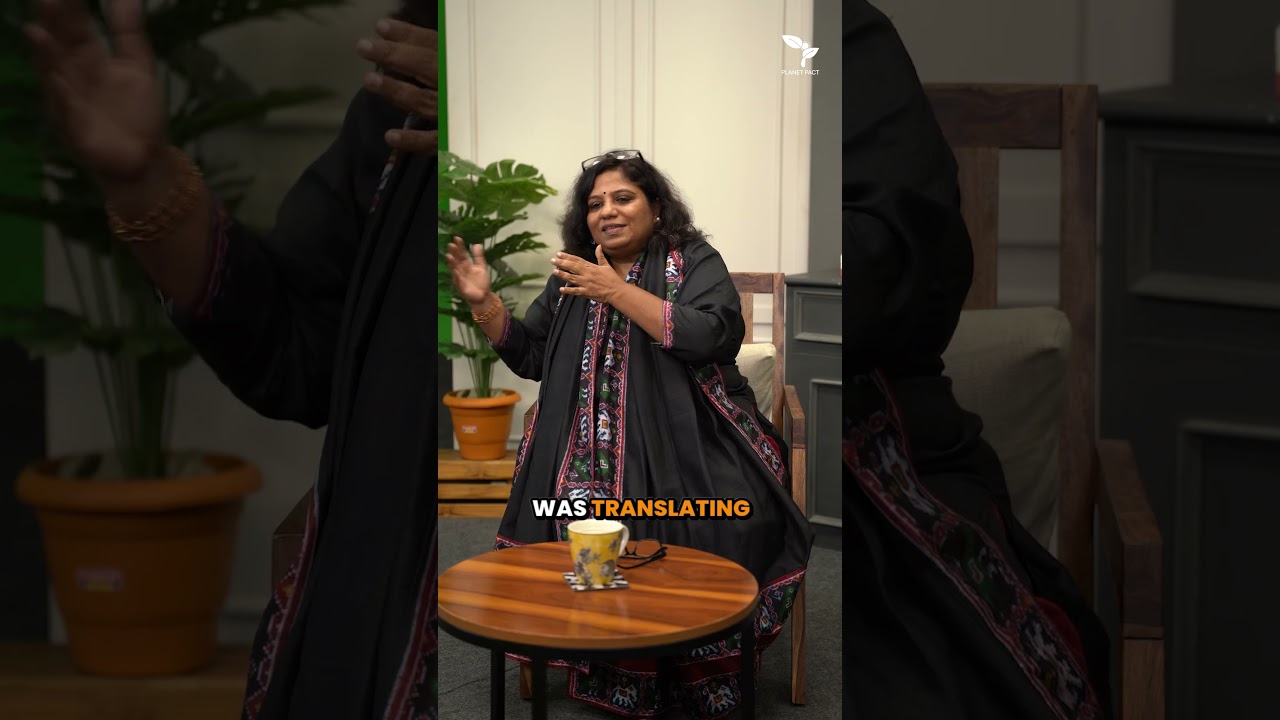
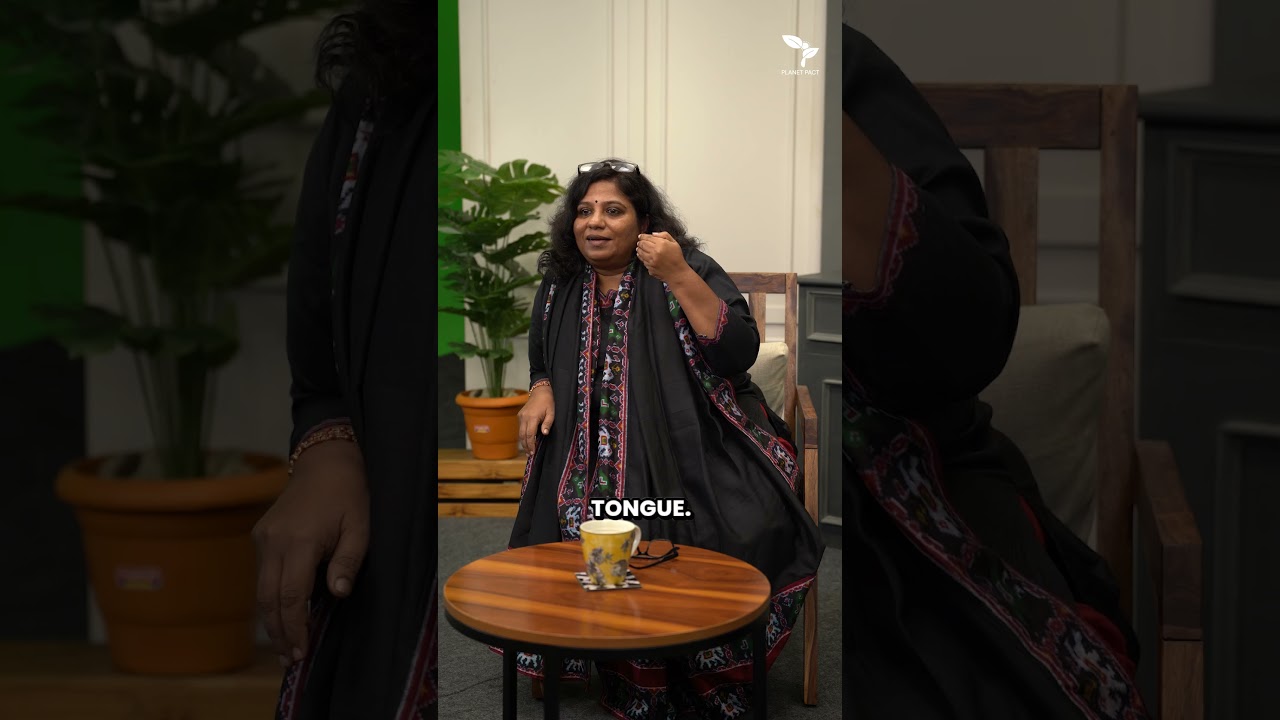
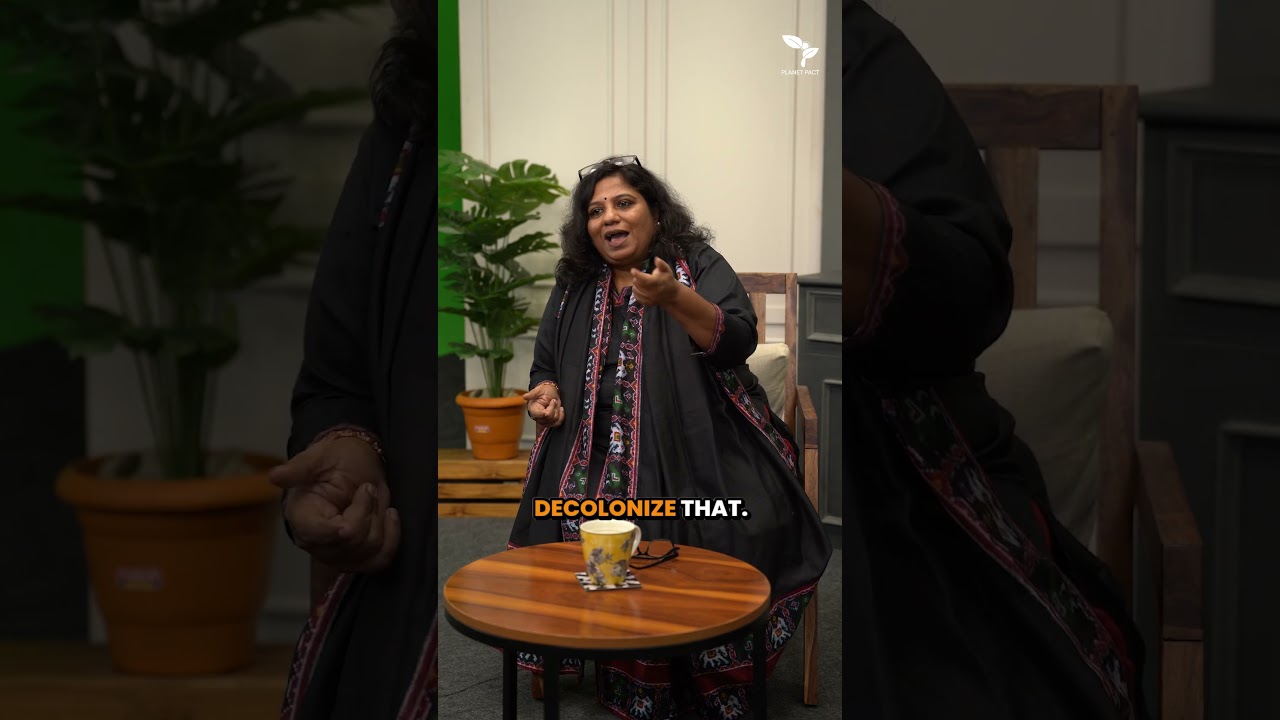
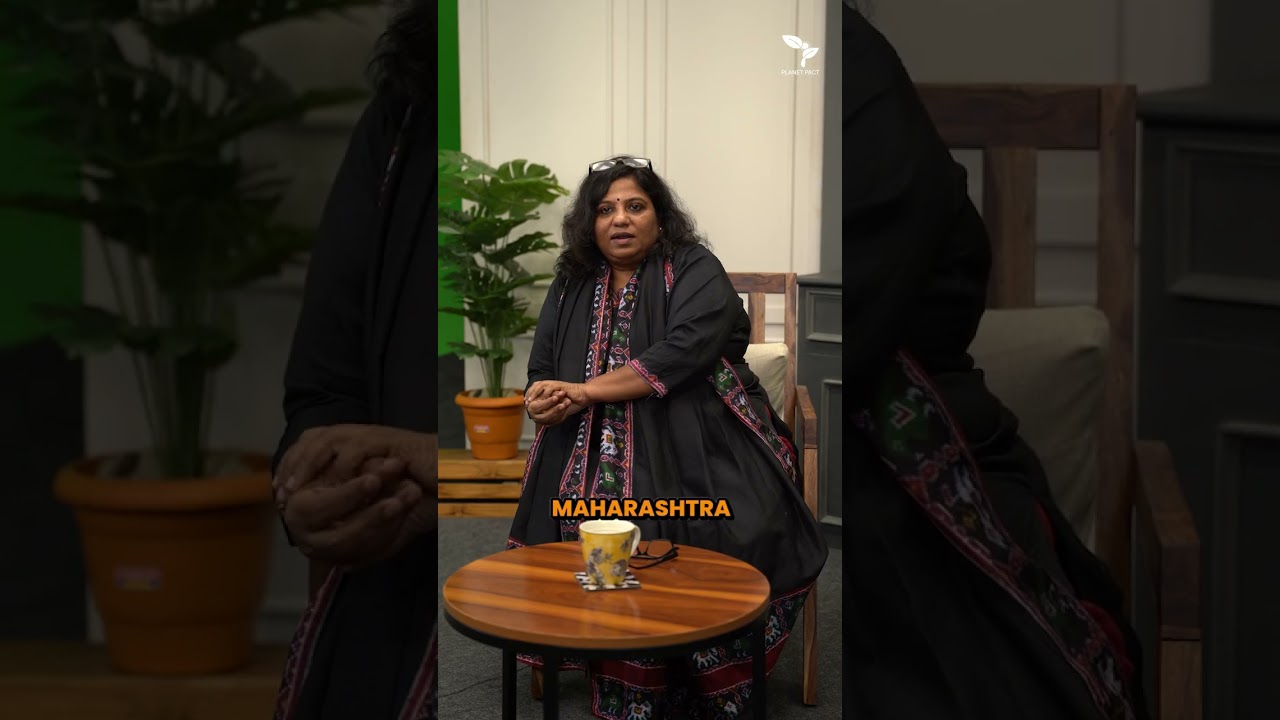
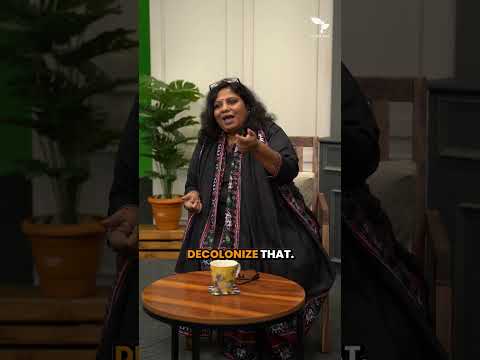
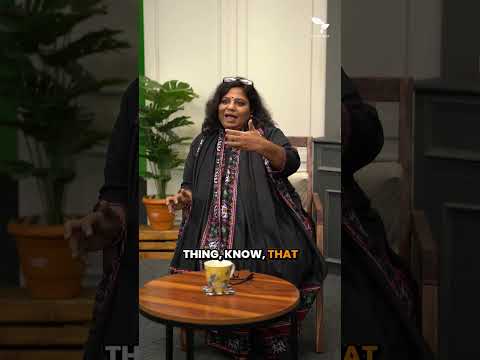
Conversations, experiences and stories from the people shaping climate action from the ground up.
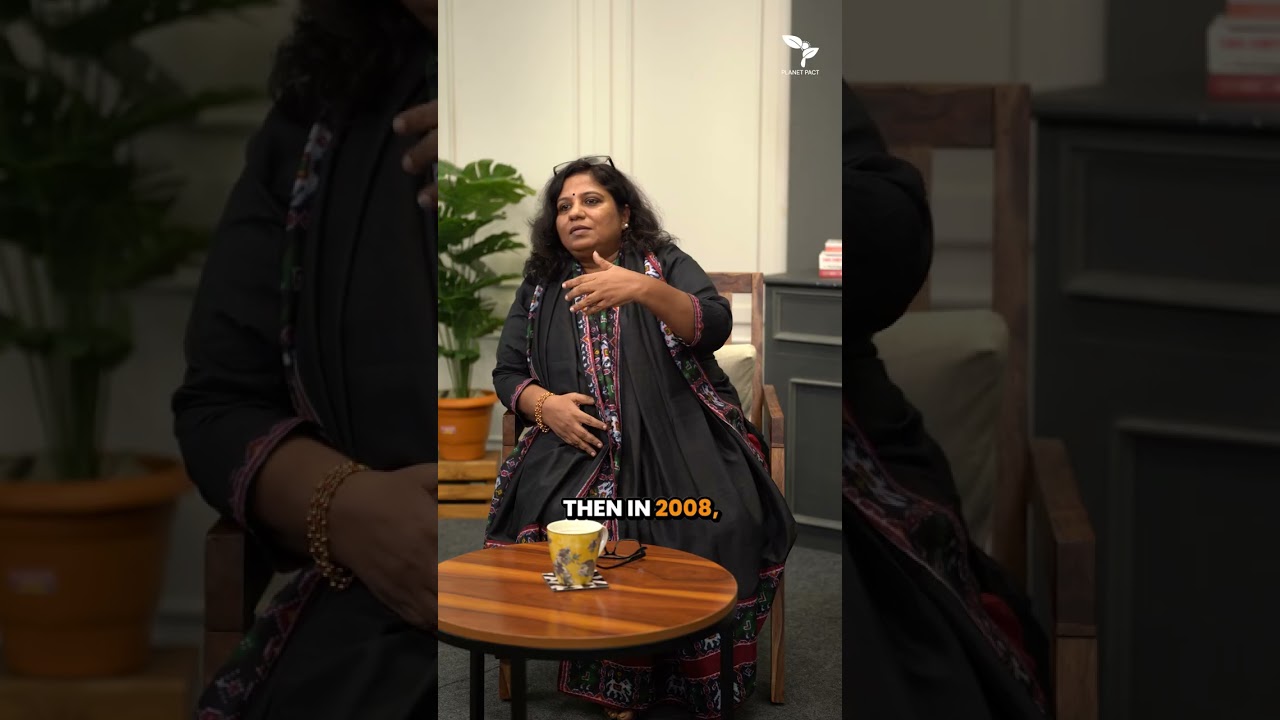 01
01
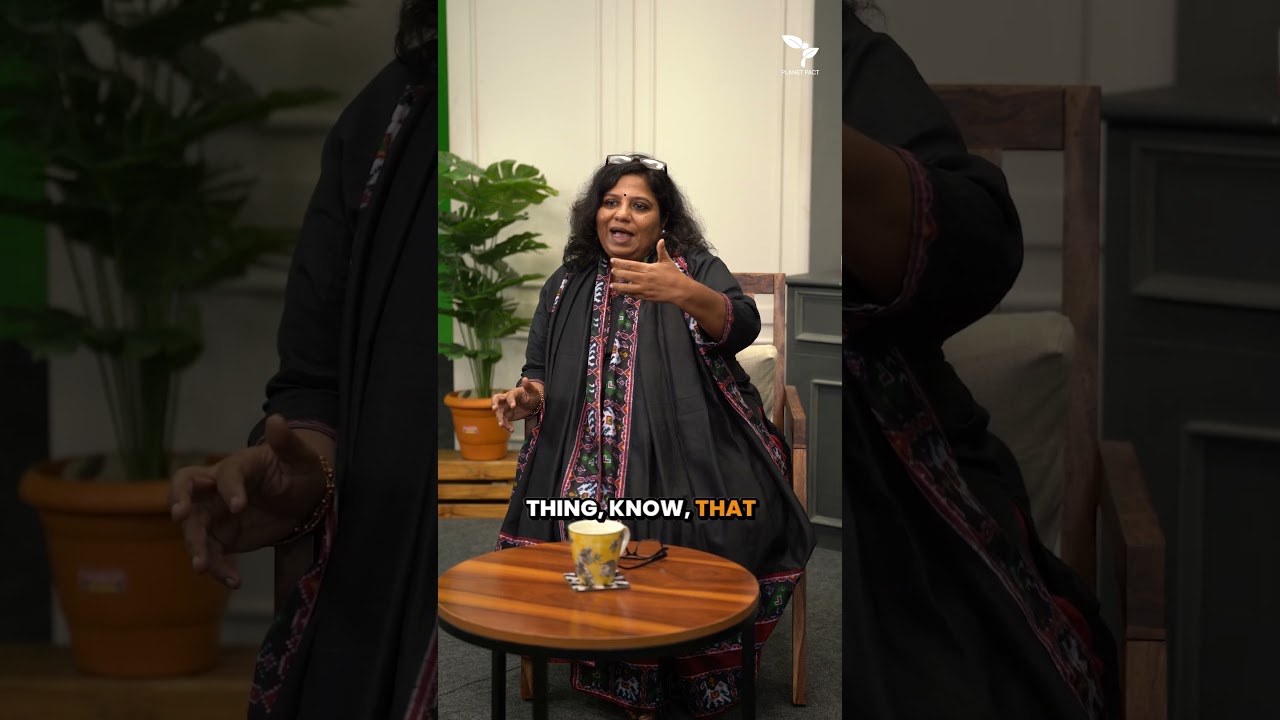 02
02
 03
03
 04
04
 05
05
 06
06
Honest conversations, ideas and perspectives from people working towards a more climate-resilient future.
01
 02
02
 03
03